

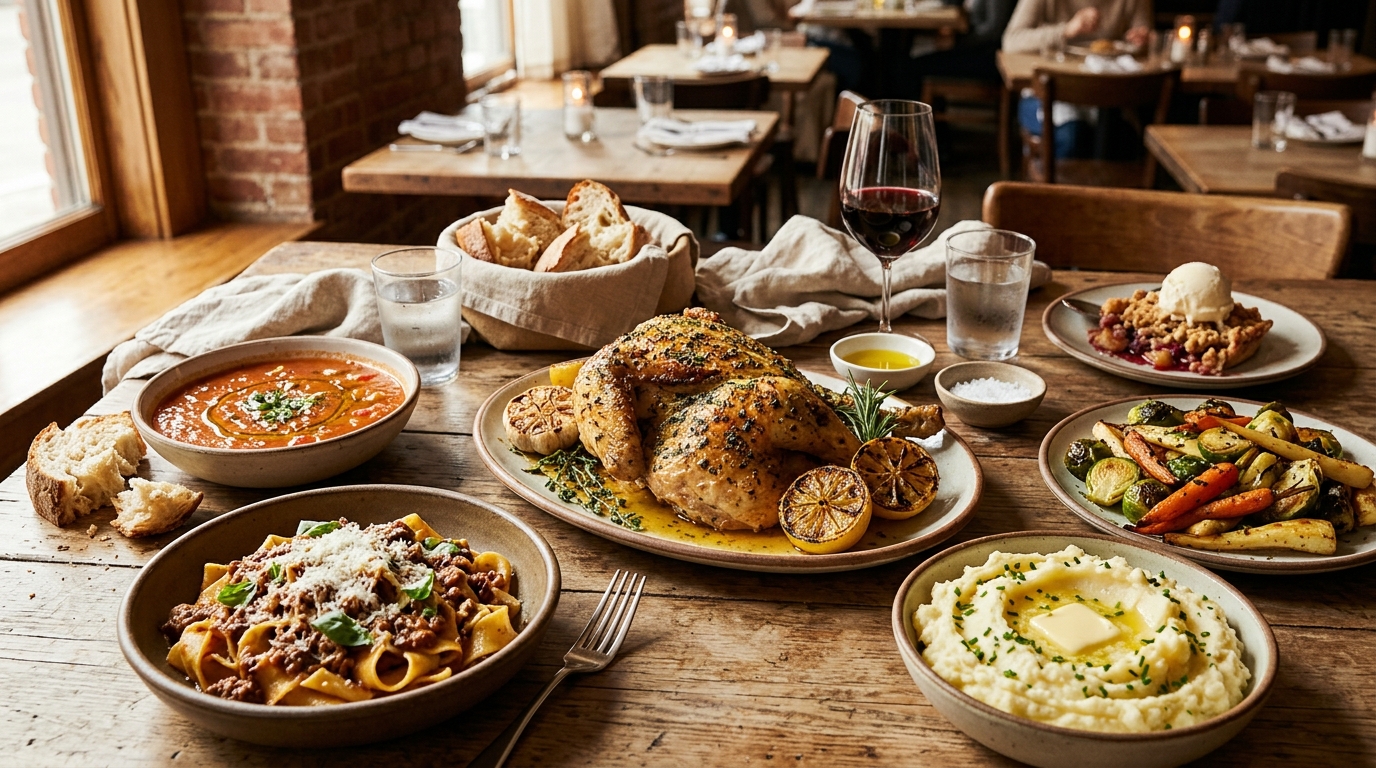
Comfort food remains a popular part of restaurant dining because it brings together familiar flavors, satisfying meals, and a sense of comfort. From hearty entrees and creamy pasta dishes to soups, casseroles, and traditional desserts, these meals often remind people of family dinners and favorite recipes enjoyed over the years. Restaurants that serve comfort food give customers an opportunity to enjoy recognizable dishes without preparing them at home.
Comfort food means different things to different people. Some diners prefer traditional meals associated with childhood memories, while others enjoy rich flavors, generous portions, or familiar dishes shared with family and friends. The common element is the experience of enjoying food that feels satisfying and familiar.
Understanding popular comfort food categories, preparation methods, and dining preferences can help customers discover meals that suit their tastes and occasions.
Key Takeaways
- Comfort food features familiar flavors, satisfying textures, and dishes associated with enjoyment and tradition.
- Popular categories include pasta, soups, casseroles, chicken dishes, sandwiches, and traditional desserts.
- Homemade-style preparation can make comfort food feel familiar and inviting.
- Ingredient selection, seasoning, and cooking methods influence the final flavor and texture.
- Comfort food restaurants can appeal to families, individuals, and groups with different dining preferences.
- Portion sizes and menu variety help customers choose meals that suit their appetite.
- The best comfort food experience combines satisfying dishes with quality preparation and welcoming service.
What Is Comfort Food?
Comfort food generally refers to dishes that people associate with familiarity, satisfaction, and positive memories. These meals may be connected to family traditions, cultural food practices, childhood experiences, or favorite restaurant dishes.
Comfort food is not limited to one cuisine or cooking style. A bowl of soup may feel comforting to one person, while another may prefer a baked pasta dish, a hearty chicken entree, or a traditional dessert.
Common characteristics include:
- Familiar ingredients and flavors.
- Satisfying textures and portions.
- Traditional or homemade-style preparation.
- Recipes connected to personal or cultural memories.
- Meals that suit relaxed, everyday dining.
The definition is personal, which is why comfort food menus often benefit from offering several different types of dishes.
Why Comfort Food Remains Popular at Restaurants
Comfort food continues to attract diners because familiar meals can make choosing what to eat easier. Customers may return to a favorite dish because they already know its flavor, ingredients, and general preparation style.
Restaurants also provide convenience by preparing meals that customers might otherwise need time and equipment to make at home.
Several factors contribute to the popularity of comfort food:
- Familiarity: Recognizable dishes help customers feel confident about their choices.
- Satisfaction: Hearty meals can provide a filling and enjoyable dining experience.
- Tradition: Certain recipes are associated with family gatherings and cultural customs.
- Convenience: Restaurant preparation saves customers time in the kitchen.
- Versatility: Comfort food can suit casual dinners, family outings, and special occasions.
For customers looking for a comfort food restaurant, menu variety and preparation quality are useful considerations when choosing where to dine.
What Are the Most Popular Types of Comfort Food?
Comfort food includes many different dishes, from simple everyday meals to traditional recipes that require more preparation.
| Comfort Food Category | Common Examples | Why Diners Enjoy It |
| Pasta dishes | Baked pasta, creamy pasta, traditional noodles | Familiar flavors and satisfying textures |
| Chicken meals | Roasted chicken, fried chicken, chicken casseroles | Versatility and a range of preparation styles |
| Soups and stews | Chicken soup, vegetable soup, hearty stews | Warmth, varied ingredients, and flexible portions |
| Casseroles | Baked pasta, rice casseroles, layered dishes | Combined ingredients and convenient serving |
| Sandwiches | Grilled sandwiches, classic hot sandwiches | Familiar combinations and easy customization |
| Potato dishes | Mashed potatoes, baked potatoes, potato casseroles | Soft or crispy textures and versatile flavors |
| Traditional desserts | Cakes, pies, cobblers, brownies | Sweet finishes and familiar recipes |
These categories represent common examples rather than a universal list. Individual preferences and regional food traditions influence which dishes people consider comforting.
Why Homemade-Style Meals Appeal to Comfort Food Lovers
Homemade-style meals often emphasize familiar ingredients, recognizable recipes, and careful preparation. These qualities can make restaurant dishes feel approachable, especially when customers want something reminiscent of a meal prepared at home.
Examples include baked casseroles, traditional chicken dishes, soups, and pasta recipes made with familiar seasonings.
The appeal often comes from the combination of flavor and familiarity rather than complexity. A well-prepared traditional dish can be just as satisfying as a newer or more elaborate menu item.
Customers interested in homemade meals may appreciate restaurants that offer recognizable dishes alongside other menu choices.
What Makes a Meal Feel Homemade?
Several details can contribute to a homemade-style experience:
- Familiar combinations of ingredients.
- Balanced seasoning.
- Tender or appropriately cooked ingredients.
- Sauces and sides that complement the main dish.
- Preparation that preserves the intended texture.
- Presentation that feels inviting rather than unnecessarily complicated.
Not every restaurant prepares every component from scratch, so customers who prioritize particular preparation methods should review menu descriptions or ask the restaurant for details.
How Pasta Became a Comfort Food Favorite
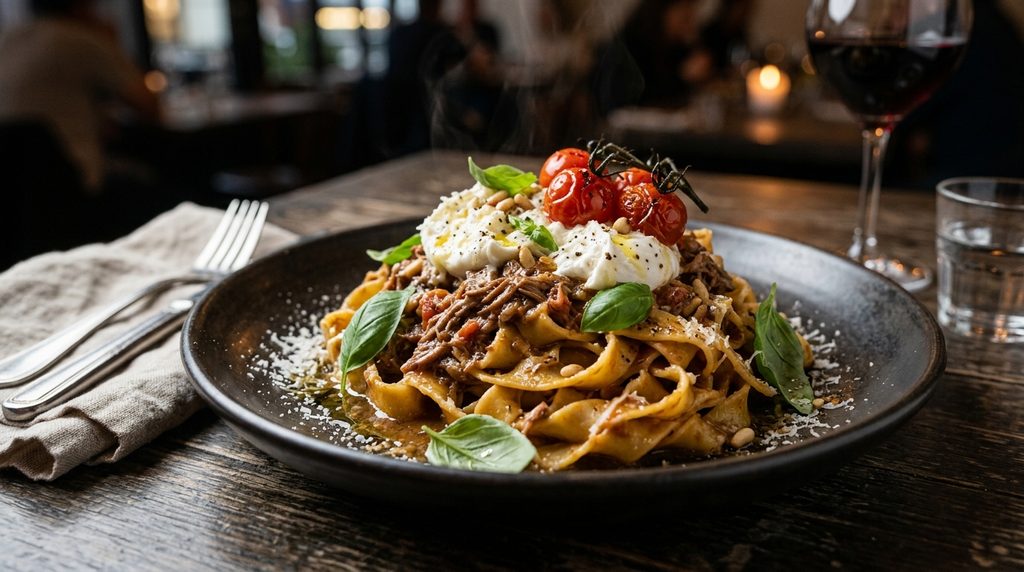
Pasta is a versatile comfort food because it can be prepared in many different ways. It works with creamy sauces, tomato-based sauces, vegetables, meats, cheeses, and herbs, allowing restaurants to create dishes with different flavor profiles.
Popular pasta styles include baked pasta, macaroni dishes, spaghetti, and creamy fettuccine.
Pasta can also work well for family dining because portions and ingredients can vary considerably between dishes. Some meals emphasize simple sauces, while others combine several ingredients into a richer entree.
What Makes a Pasta Dish Satisfying?
A successful pasta dish depends on more than the noodles alone. The sauce, seasoning, cooking time, and balance of ingredients all influence the result.
Important factors include:
- Cooking pasta to an appropriate texture.
- Pairing the sauce with the pasta shape.
- Balancing richness, acidity, and seasoning.
- Incorporating complementary ingredients.
- Serving the dish at an appropriate temperature.
These details help distinguish one pasta dish from another while preserving the familiarity that makes pasta a popular comfort food.
Why Chicken Dishes Are Restaurant Comfort Food Staples
Chicken appears in many comfort food traditions because it works with a broad range of seasonings, sauces, and cooking methods. It can be roasted, baked, grilled, fried, or incorporated into soups and casseroles.
Common restaurant options include crispy chicken, baked chicken entrees, chicken pasta, and traditional chicken-based soups.
Chicken dishes can also be paired with different sides, allowing customers to choose a meal that matches their appetite and preferences.
Preparation affects the final result. Proper cooking helps ensure food safety, while suitable seasoning and cooking methods influence tenderness, flavor, and texture.
How Soups and Stews Provide Comforting Meal Options
Soups and stews are often associated with comfort because they combine familiar ingredients in warm, flavorful dishes. Depending on the recipe, they may include vegetables, proteins, grains, beans, herbs, and broth.
Examples include chicken soup, vegetable soup, and hearty meat or bean stews.
These dishes offer several practical advantages:
- They can incorporate a wide variety of ingredients.
- Recipes can range from light to hearty.
- Portions can suit different appetites.
- Different seasonings create distinct regional and cultural styles.
Soup can serve as a starter or a main course, depending on its ingredients and portion size. Stews often contain more substantial combinations of ingredients, making them suitable for a filling meal.
Why Casseroles Remain Family Favorites
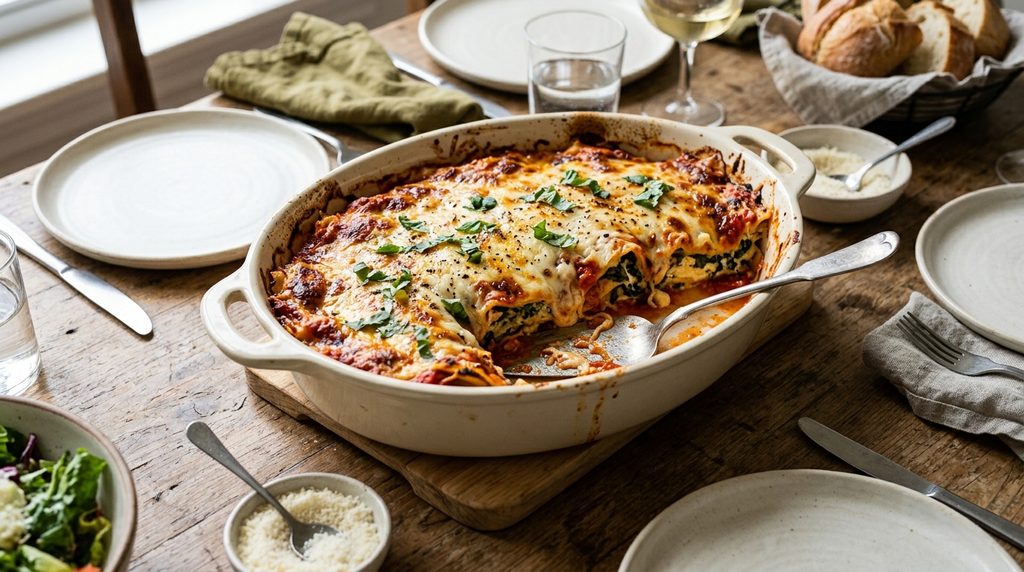
Casseroles combine several ingredients in one baked dish. They may include pasta, rice, vegetables, meat, cheese, or sauces, depending on the recipe.
Their appeal often comes from the way ingredients cook together, creating a unified dish with layers of flavor and texture.
Casseroles are commonly associated with family meals because they can be prepared in larger quantities and served to several people. In restaurant settings, baked dishes can also provide a familiar alternative to individually assembled entrees.
The final result depends on ingredient proportions, moisture levels, cooking time, and how the components work together.
How Sandwiches Fit Into Comfort Food Dining
Sandwiches may seem simpler than other comfort food dishes, but they can provide the same sense of familiarity and satisfaction. Classic combinations often rely on bread, a filling, complementary toppings, and a suitable sauce or spread.
Popular styles include grilled sandwiches, hot meat sandwiches, and familiar deli-inspired combinations.
A good sandwich balances its components. Bread should suit the filling, sauces should complement rather than overwhelm the other ingredients, and the finished sandwich should be easy to eat.
Restaurants can offer sandwiches as a practical choice for lunch or as part of a more relaxed meal.
What Makes a Great Comfort Food Restaurant Menu?
A strong comfort food menu balances familiar favorites with enough variety to accommodate different tastes. Customers may want a hearty entree, a lighter option, a side dish, or a dessert that reminds them of a favorite recipe.
Useful menu characteristics include:
- Variety: Different categories of entrees, sides, and desserts.
- Clear descriptions: Information that helps customers understand ingredients and preparation.
- Balanced choices: Options that differ in flavor, texture, and portion size.
- Consistency: Reliable preparation and presentation.
- Flexibility: Available substitutions or dietary options where practical.
A menu does not need to include every possible comfort food. A thoughtfully selected range of dishes can provide a better experience than a long menu with limited consistency.
How Sides Complete a Comfort Food Meal
Side dishes can make a significant difference to the overall meal. They add variety, provide complementary flavors, and help customers customize their plates.
Common sides include:
| Side Dish | Typical Role |
| Mashed potatoes | Soft texture and a familiar savory flavor |
| Steamed vegetables | Freshness and contrast to richer entrees |
| Rice | A versatile accompaniment for sauces and proteins |
| Bread or rolls | An additional component for soups and entrees |
| Side salad | Crisp texture and a lighter contrast |
| Roasted vegetables | Caramelized flavors and varied textures |
The best side depends on the main dish. A rich entree may pair well with vegetables or a fresh salad, while a lighter main course may suit a more substantial accompaniment.
How Comfort Food Fits Different Dining Occasions
Comfort food is not limited to one type of restaurant visit. It can suit a quick lunch, a relaxed dinner, or a gathering where people want familiar dishes.
| Occasion | Comfort Food Options |
| Family dinner | Chicken dishes, pasta, casseroles |
| Casual lunch | Sandwiches, soups, lighter entrees |
| Weekend meal | Hearty entrees and favorite sides |
| Group gathering | Shareable sides and familiar main dishes |
| Special occasion | Signature entrees and traditional desserts |
The most appropriate choice depends on the restaurant’s menu, the group’s preferences, and the purpose of the meal.

How to Choose Comfort Food That Suits Your Preferences
When selecting comfort food, consider what you want from the meal rather than relying only on the dish’s name.
Consider Flavor
Some people prefer creamy and rich dishes, while others enjoy savory, herb-based, or tomato-based flavors. Choosing a meal that matches your preference can improve the experience.
Think About Portion Size
A hearty entree may be satisfying as a standalone meal, while a smaller dish may work better alongside soup, salad, or dessert.
Review Ingredients
Menu descriptions can help identify main ingredients and common accompaniments. Customers with allergies or medically necessary dietary restrictions should confirm details directly with the restaurant.
Consider Preparation
Grilled, baked, roasted, and fried dishes can have very different textures and flavor profiles, even when they use similar ingredients.
Choose Suitable Sides
Sides can change the balance of a meal. Consider whether you want something fresh, crisp, creamy, or more substantial.
Can Comfort Food Be Balanced With Lighter Choices?
Comfort food does not have to mean choosing the richest option on the menu. Many familiar dishes can be served with vegetables, salads, broth-based soups, or other accompaniments that change the overall composition of the meal.
Customers can consider:
- Choosing a portion that matches their appetite.
- Adding a vegetable side or salad.
- Selecting preparation methods that suit their preferences.
- Reviewing sauces and toppings.
- Sharing larger dishes when appropriate.
These choices allow diners to enjoy familiar foods while considering their individual needs. Nutritional content varies by recipe, preparation method, and portion size, so specific dietary goals may require reviewing available nutrition information.
How Traditional Recipes Keep Comfort Food Relevant
Traditional recipes often remain popular because they connect food with memories, family routines, and cultural practices. A dish may remind someone of a holiday, a childhood meal, or a recipe enjoyed with relatives.
Restaurants can preserve these familiar experiences while adapting recipes to their own menus and preparation methods.
Traditional cooking does not have to remain unchanged. Variations in seasoning, ingredients, presentation, or accompaniments can introduce new experiences while maintaining the recognizable character of the original dish.
This balance between familiarity and creativity helps comfort food remain relevant to different generations.
Frequently Asked Questions
What foods are considered comfort food?
Comfort food commonly includes familiar, satisfying dishes such as pasta, chicken entrees, soups, stews, casseroles, sandwiches, potato dishes, and traditional desserts. The specific foods people consider comforting vary by personal experience, family traditions, and cultural background.
What makes a restaurant a good choice for comfort food?
A good comfort food restaurant offers well-prepared dishes, familiar flavors, clear menu descriptions, and enough variety for different preferences. Consistent food quality, suitable portions, and welcoming service also contribute to the dining experience.
Are homemade-style meals the same as comfort food?
Not necessarily. Homemade-style describes a preparation approach or familiar cooking style, while comfort food describes how people relate to certain dishes and flavors. A homemade-style meal may be comforting, but comfort food can also include restaurant-created dishes and recipes from many culinary traditions.
Can comfort food include lighter meals?
Yes. Comfort food can include soups, vegetable-based dishes, grilled entrees, and other options depending on the restaurant’s menu. Customers can also choose portions and side dishes that suit their appetite and dietary preferences.
Why do families often enjoy comfort food together?
Families may enjoy comfort food because familiar dishes are easy to recognize, share, and connect with traditions. Common favorites can make it simpler for people with different preferences to find a meal they enjoy during a shared dining occasion.
Conclusion
Comfort food remains an important part of restaurant dining because it brings together familiar flavors, satisfying meals, and personal traditions. From pasta and chicken entrees to soups, casseroles, sandwiches, and desserts, these dishes offer a wide range of choices for different tastes and occasions.
A memorable comfort food experience depends on more than selecting a familiar dish. Ingredient quality, preparation, texture, suitable sides, and consistent service all influence the meal. Restaurants that balance recognizable favorites with thoughtful variety can provide a welcoming experience for individuals and families alike.
Whether choosing a hearty dinner, a casual lunch, or a meal shared with family, comfort food offers a familiar way to enjoy restaurant dining.