

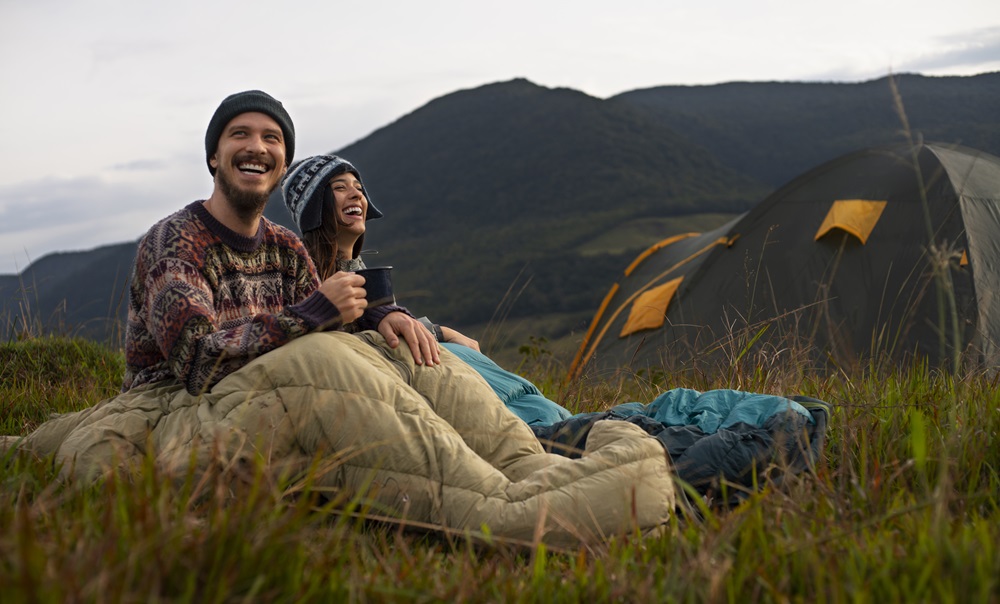
Sleeping comfort is a major factor in outdoor camping experiences. Campers rely on good insulation to keep warm through cold nights. Down sleeping bags are generally the warmest and most lightweight.
Nevertheless, brand new models may be too expensive for some buyers. A used down sleeping bag option is a cheaper alternative which thermal performance remains intact. Condition and care history matter more than product age.
Proper evaluation enables buyers to stay away from safety or comfort issues. Good insulation leads to a restful sleep-in nature. Informed purchases prevent unnecessary spending. Quality secondhand gear can fulfill the requirements of camping.
Understanding Down Insulation Performance
Down insulation works by trapping air around the body to keep it warm. The higher the fill power is, the better the warmth, to, weight ratio will be. Down is a natural material that can be easily compressed. Eventually, the insulation may lose loft if it is stored incorrectly.
The thermal efficiency of the down may be lowered significantly if it is exposed to moisture. Most of the time the loft can be restored by cleaning. Besides hygienic conditions, other aspects like ethical sourcing and durability contribute to long, term value.
Experienced campers will rather choose a high, quality insulation than a good, looking one. Understanding how down functions can help buyers to evaluate used products properly. The quality of the insulation is what determines if the sleeping bag is still suitable for outdoor conditions.
Evaluating Condition Before Purchase
Buying a secondhand sleeping bag without thoroughly checking the condition of the item is like buying a pig in a poke. There should be a detailed description of the loft and zipper in the advertisement of a used down sleeping bag.
Baffle integrity is the main factor in the prevention of cold spots when a sleeping bag is in use. The fabric shells have to be devoid of tears or excessively thinned areas. An odor may indicate subpar storage or that the item was exposed to moisture.
Even insulation distribution is the only way to achieve consistent warmth. Compression damage has the potential to affect long, term performance. Sellers should disclose cleaning and storage history.
Cost Efficiency And Value Of Used Sleeping Bags
Correct sizing is the main factor in the improvement of warmth retention and sleeping comfort. Too, large bags allow heat to escape. Correct length provides full, body insulation. Temperature ratings serve as a guide for seasonal use.
Buyers should look at comfort ratings and not survival ratings. Regional climate plays a role in temperature needs. By layering, one can extend the usability of a garment across seasons.
Previously used gears may perform a little differently than new ones. Knowing the temperature performance expected helps to avoid exposure risks. Accurate selection is the main factor in ensuring restful sleep in different outdoor environments.
Sustainability And Responsible Reuse
Secondhand outdoor gear is a great option for those who want to be environmentally responsible. When you buy a used down sleeping bag, you are not only extending the life of the product, but also reducing the amount of waste that ends up in landfills.
Therefore, by reusing old down products, you are lowering the demand for new manufacturing. Consumers who are conscious about the environment are more and more willing to support circular marketplaces.
This is because they know that proper refurbishment will improve the quality of the product being resold. In this way, responsible sellers are not only benefiting themselves, but also contributing to the sustainability of camping practices.
Conclusion
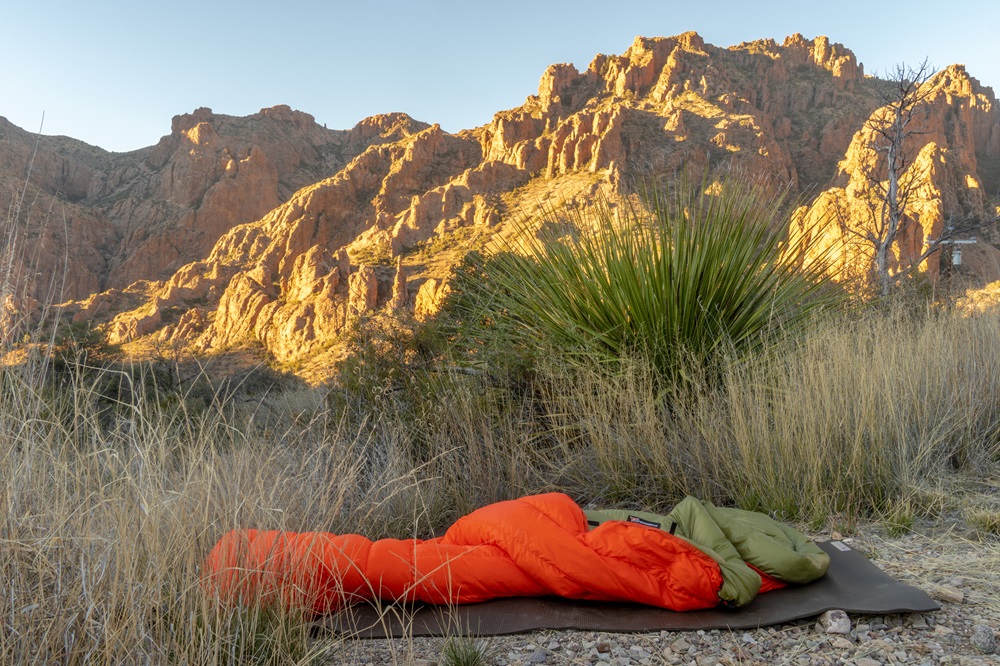
Used sleeping bags are a valuable resource for campers. By conducting a proper evaluation, you can be sure that the insulation will be effective and safe to use. Knowing the characteristics of down will help you make better buying decisions.
Choosing the right size and temperature ratings will make the sleeping bag comfortable to use. The money you save can be used to buy other gear that is of good quality. In other words, informed buyers are less polluting.
Sellers will also be better off if they are transparent with their practices. Therefore, selecting a sleeping bag wisely is the key to having reliable outdoor experiences. In this way, secondhand sleeping bags are still a smart investment for camping.
Frequently Asked Questions
Why consider buying a used down sleeping bag instead of a new one?
Ans: A used down sleeping bag offers similar warmth and lightweight performance at lower cost when insulation condition and care history remain intact.
What should be inspected before buying a used down sleeping bag?
Ans: Check loft, zipper function, baffle integrity, shell fabric condition, insulation distribution, odors, and disclosed cleaning or storage history before buying.
How does down insulation performance affect used sleeping bags?
Ans: Higher fill power provides better warmth-to-weight efficiency, but moisture exposure or poor storage can reduce loft and thermal efficiency over time.
Why are size and temperature ratings important when choosing used sleeping bags?
Ans: Proper sizing and choosing comfort temperature ratings help retain heat, improve sleep quality, and reduce exposure risks across different seasonal conditions.
How does buying a used down sleeping bag support sustainability?
Ans: Buying a used down sleeping bag extends product life, reduces landfill waste, lowers manufacturing demand, and supports more sustainable camping practices.