

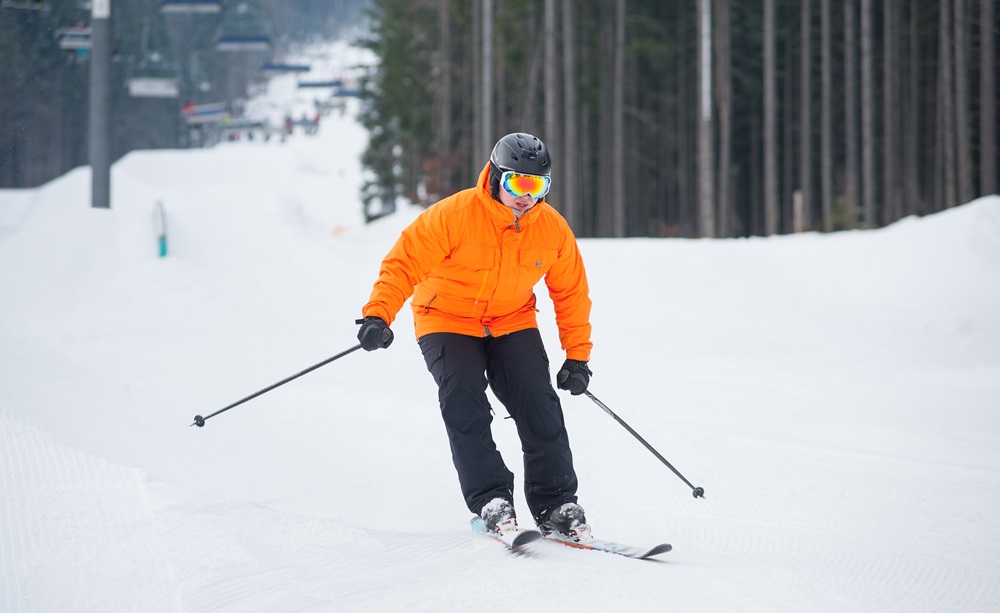
Your favorite skiing pants mens just tore at the seam during your last run. The zipper broke halfway through the season.
Water started seeping through the fabric. Before you think about buying new ones, you should know that most ski pants problems can be fixed at home.
You don’t need special skills or expensive tools. This guide shows you exactly how to do it.
What Causes Ski Pants to Fall Apart?
Ski pants take a beating on the slopes. You fall, slide, sit on icy surfaces, and brush against sharp edges. The fabric faces constant friction from your legs moving, while zippers open and close dozens of times each day.
Waterproof coatings wear off from washing and UV exposure. Seams split under pressure, especially around the knees and crotch area.
According to outdoor gear repair specialists, most ski pants get damaged in three common ways: torn seams (about 45% of repairs), broken zippers (35% of cases), and lost waterproofing (20% of issues). The good news? You can fix all three problems yourself.
How Do You Repair Torn Seams?
Torn seams happen more often than you think. They usually split at stress points where the fabric pulls tight when you move.
Start by turning your pants inside out. Look at the damaged seam carefully. If the tear is less than 2 inches, you can hand-sew it.
Get a curved needle (they work better than straight ones for thick fabric) and heavy-duty thread. Match the thread color to your pants so the repair doesn’t stand out.
Push the needle through both fabric edges about 1/8 inch from the tear. Pull the thread tight but not so tight that it bunches up the fabric. Keep your stitches close together, roughly 1/4 inch apart. When you reach the end of the tear, go back over your stitches one more time for extra strength.
For tears longer than 2 inches, you need a sewing machine. Set it to a straight stitch with medium tension.
Sew along the original seam line, starting about an inch before the tear and ending an inch after it. This overlapping prevents the tear from spreading.
Apply seam sealer after you finish sewing. You can buy it at outdoor stores or online for around $8-12. Brush a thin layer over your stitches on both sides of the fabric. Let it dry for 24 hours before wearing the pants.
What’s the Best Way to Replace Broken Zippers?
A broken zipper doesn’t mean you need new pants. Most zipper problems come from the slider (that’s the part you pull up and down) wearing out or teeth coming loose.
If your zipper won’t stay closed, the slider probably needs replacing. You can buy replacement sliders at fabric stores for $3-5.
Remove the old slider by using pliers to gently pry open the metal stops at the top of the zipper. Slide the old one off and put the new one on. Crimp the stops back in place with your pliers.
When zipper teeth break or come off the fabric, you need to replace the entire zipper. This takes more work but it’s still doable.
Cut the stitches holding the old zipper in place using a seam ripper. Take your time with this part because you don’t want to damage the fabric.
Pin the new zipper into position, making sure it sits flat against the fabric. Sew it in place using a zipper foot on your sewing machine. If you don’t have a sewing machine, you can hand-sew it, but this will take 30-45 minutes per side.
Here’s something important: buy zippers made for outdoor gear. Regular zippers from craft stores won’t hold up to cold weather and moisture. YKK makes reliable outdoor zippers that cost around $10-15.
How Can You Restore Waterproofing at Home?
Water soaking through your ski pants ruins a good day on the slopes. Waterproofing wears off naturally over time, but you can bring it back.
First, wash your pants. Use a technical wash made for waterproof fabrics. Regular detergent leaves residue that blocks the waterproof coating from working properly. Wash them in warm water on a gentle cycle.
Once they’re clean and dry, apply a waterproofing treatment. You have two options: spray-on or wash-in treatments. Spray-on products work better for spot treatment and areas that need extra protection like the seat and knees. Wash-in treatments coat the entire garment evenly.
For spray-on treatment, hang your pants outside or in a well-ventilated area. Hold the bottle about 6 inches away and spray in smooth, even strokes. Don’t soak the fabric, just coat it lightly. One bottle usually covers one pair of pants twice.
After applying the treatment, you need to heat-activate it. Throw your pants in the dryer on medium heat for 20 minutes, or iron them on a low setting with a cloth between the iron and fabric. This heat makes the waterproofing bond with the fabric fibers.
The treatment lasts about 20-30 days of active use before you need to reapply it. Store your pants in a cool, dry place between seasons to make the waterproofing last longer.
What Tools Do You Actually Need?
You don’t need a full repair shop in your garage. Here’s what actually matters:
A basic sewing kit with curved needles and heavy thread covers most seam repairs. Add a seam ripper for zipper work.
You probably already have pliers in your toolbox. For waterproofing, grab a spray bottle of Nikwax or Grangers treatment (both cost around $12-15).
These tools cost about $30-40 total and they’ll fix multiple pairs of pants over several years. Compare that to buying new skiing pants mens which typically cost $100-300.
When Should You Just Buy New Pants?
Sometimes repair isn’t worth it. If your pants have multiple large tears, extensive fabric wear, or damaged insulation, replacement makes more sense.
When the main shell fabric gets thin and see-through, it won’t keep you warm even after waterproofing.
Calculate the cost: if repairs would cost more than half the price of new pants, or if you’d need to fix three or more major problems, buying new is probably smarter.
Frequently Asked Questions
Can you machine wash ski pants after repairs?
Ans: Yes, but turn them inside out and use gentle cycle with cold water. Avoid fabric softener as it breaks down waterproof coatings.
How long do DIY zipper repairs last?
Ans: A properly installed replacement zipper should last 2-3 seasons with regular use. Quality sliders can last even longer.
Do you need special thread for seam repairs?
Ans: Heavy-duty polyester thread works best. It’s stronger than cotton and won’t rot from moisture exposure like regular thread might.
How often should you reapply waterproofing treatment?
Ans: Every 20-30 days of skiing or when you notice water no longer beads up on the fabric surface during wet conditions.