


Insurance companies evaluate New York personal injury claims by reviewing liability, medical records, treatment consistency, injury severity, damages, insurance coverage, fault disputes, deadlines, and settlement risk. A claim may involve strong injuries, but insurers usually look for documents that connect the accident to the harm. People reviewing injury-claim issues may use a personal injury lawyer Long Island resource to understand how claim evidence, insurance review, and damages are generally assessed.
Quick Answer
Insurance companies evaluate personal injury claims by asking who was responsible, whether the accident caused the injury, how serious the injury is, what treatment was needed, whether medical care was consistent, how much income was lost, whether the injured person shares fault, what insurance coverage applies, and whether legal deadlines affect the claim. Important records may include accident reports, photos, witness statements, medical records, bills, wage proof, insurance letters, expert opinions, and settlement demand materials.
Key Takeaways
- Insurance companies usually review both liability and damages.
- Medical records help connect the accident to diagnosis, treatment, pain, and future care.
- Treatment gaps, inconsistent symptoms, and missing records may create disputes.
- Comparative negligence can reduce damages if the injured person is assigned part of the fault under New York CPLR § 1411.
- New York car accident claims may involve no-fault rules, basic economic loss, and serious injury issues under Insurance Law §§ 5102 and 5104.
- New York no-fault rules generally require written notice within 30 days, health care bill submission within 45 days, and lost wage claim submission within 90 days.
- Deadlines and public entity notice rules can affect claim value and legal strategy.
Why Insurance Evaluation Matters
Insurance evaluation matters because most personal injury claims begin with an insurer reviewing risk. The insurer may be evaluating a driver, property owner, business, construction contractor, dog owner, vessel owner, rental company, nursing home, municipality, or another insured party.
The insurance company may ask:
- Did the insured person or business do something negligent?
- Did the injured person share fault?
- Was the injury caused by this accident?
- Was medical care prompt and consistent?
- Are the medical bills reasonable and related?
- Did the injury affect work?
- Is there permanent impairment, scarring, or disability?
- Are future medical costs supported?
- What policy limits apply?
- Are there coverage exclusions?
- Is there lawsuit risk?
The insurer’s goal is usually to estimate legal exposure. The injured person’s goal is usually to document the full loss clearly and accurately.
Liability Comes First
Liability means legal responsibility. Before an insurance company evaluates damages, it usually reviews whether the insured party caused or contributed to the accident.
Liability evidence may include:
- Police reports
- Incident reports
- Photos
- Videos
- Surveillance footage
- Witness statements
- Maintenance records
- Safety logs
- Driver or operator information
- Property inspection records
- Weather records
- Expert analysis
- Prior complaint records
A claim may be harder to settle when liability is disputed. For example, a car accident claim may involve disagreement about who had the right of way. A slip and fall claim may involve disagreement about whether a property owner knew about a hazard. A construction claim may involve disputes about who controlled the jobsite.
Medical Records and Causation
Medical records are one of the most important parts of insurance evaluation. They help show what injuries were reported, when symptoms began, what diagnoses were made, what treatment was recommended, and whether the injury appears connected to the accident.
Insurance companies often review:
- First treatment date
- Emergency room records
- Urgent care records
- Primary care notes
- Specialist records
- Imaging reports
- Surgery records
- Physical therapy notes
- Pain management records
- Work restriction notes
- Medical bills
- Future care recommendations
A broader guide to evidence for personal injury claims can help explain why medical proof, accident evidence, and damages records often need to work together.

Delayed Treatment and Treatment Gaps
Insurance companies often question delayed treatment. They may argue that the injury was not serious, was not caused by the accident, or happened later. A delay does not automatically defeat a claim, but it may need explanation.
Common reasons for delayed care may include:
- Symptoms worsened over time
- Shock or adrenaline after the accident
- Lack of transportation
- Work or family obligations
- Insurance confusion
- Waiting for referrals
- Appointment availability
- No immediate visible injury
Treatment gaps may also be questioned. The insurer may ask why care stopped, whether the person improved, whether insurance stopped paying, or whether the injured person failed to follow medical advice.
Injury Severity
Insurers evaluate how serious the injury is. A claim involving bruising and a few doctor visits will usually be viewed differently from a claim involving surgery, fracture, brain injury, spinal injury, permanent scarring, long-term disability, or future medical care.
Severity factors may include:
- Diagnosis
- Imaging findings
- Surgery
- Hospitalization
- Length of treatment
- Specialist involvement
- Permanent restrictions
- Scarring or disfigurement
- Chronic pain
- Work limitations
- Future care needs
- Impact on daily activities
In motor vehicle claims, New York Insurance Law § 5102 defines “serious injury” categories, and § 5104 addresses recovery for non-economic loss in certain covered motor vehicle cases.
Medical Bills and Economic Losses
Insurance companies review medical bills to understand the financial cost of treatment. They may compare bills with medical records to decide whether the treatment appears related, reasonable, and necessary.
Economic loss records may include:
- Medical bills
- Ambulance bills
- Hospital invoices
- Surgery bills
- Imaging costs
- Physical therapy bills
- Prescription receipts
- Medical equipment receipts
- Transportation costs
- Home assistance costs
- Future care estimates
- Lost wage records
- Tax records
- Employer letters
A claim becomes stronger when bills are organized by provider, date, amount, and treatment purpose.
Lost Income and Work Restrictions
Lost income claims usually need both employment records and medical records. An insurance company may not accept a lost wage claim based only on a person’s statement.
Useful records may include:
- Doctor work restriction notes
- Employer letters
- Pay stubs
- W-2 forms
- Tax returns
- Missed work calendars
- Disability forms
- Union records
- Business income records
- Return-to-work notes
- Reduced schedule records
For car accident claims involving no-fault benefits, the New York Department of Financial Services explains that lost wage claims generally must be submitted within 90 days.
Pain and Suffering
Pain and suffering is harder to measure than a medical bill. Insurance companies may review how the injury affected daily life, mobility, sleep, work, family responsibilities, hobbies, and independence.
Pain and suffering evidence may include:
- Medical records
- Physical therapy records
- Surgery reports
- Pain management notes
- Range of motion findings
- Work restrictions
- Photos of visible injuries
- Scarring records
- Statements about daily limitations
- Family or coworker observations
- Future care recommendations
In certain New York motor vehicle injury claims, recovery for non-economic loss may depend on the serious injury threshold.
Comparative Negligence and Shared Fault
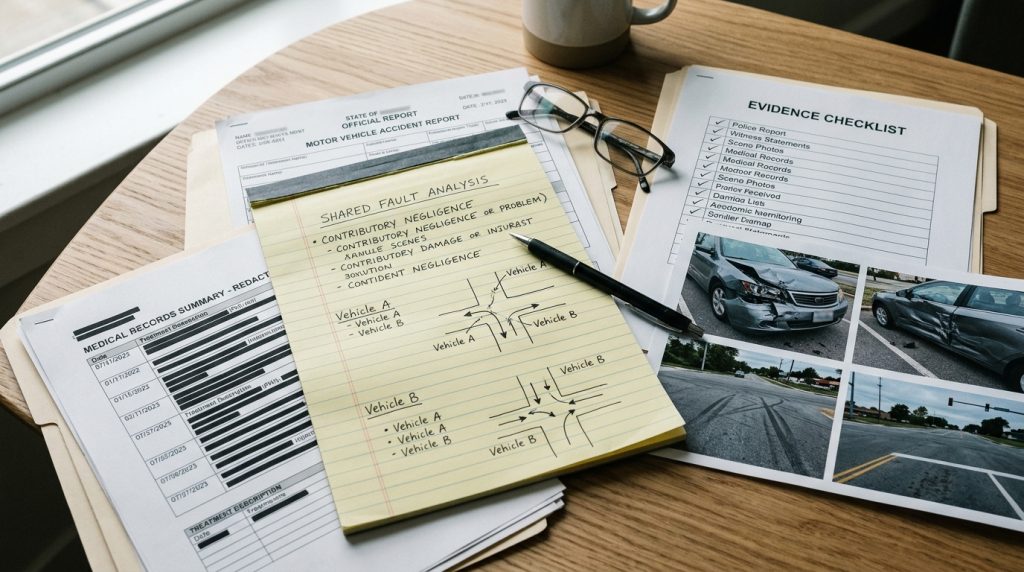
Insurance companies often look for shared-fault arguments. New York CPLR § 1411 states that culpable conduct attributable to the claimant does not bar recovery, but damages are reduced in proportion to the claimant’s share of fault.
Shared-fault arguments may include:
- The injured person was distracted.
- The injured person ignored warnings.
- The injured person was speeding.
- The injured person crossed outside a crosswalk.
- The injured person failed to use safety equipment.
- The injured person wore unsafe footwear.
- The injured person entered a restricted area.
- The injured person delayed medical care.
These arguments do not automatically succeed. They need to be measured against the full evidence.
Coverage and Policy Limits
Insurance evaluation also depends on coverage. A claim may involve clear liability and serious injuries, but the available recovery may be affected by policy limits, exclusions, coverage disputes, or multiple insurance sources.
Insurance coverage questions may include:
- What policy applies?
- What are the liability limits?
- Are there umbrella or excess policies?
- Does the insured party deny coverage?
- Was the driver, operator, or employee authorized?
- Was the vehicle, property, boat, or business covered?
- Does a public entity rule apply?
- Are there exclusions or reservation of rights letters?
- Are there multiple defendants with separate policies?
Insurance letters should be saved because they may reveal claim numbers, coverage positions, adjuster details, deadlines, and possible disputes.
How Insurers Evaluate Car Accident Claims
Car accident claims in New York may involve no-fault benefits, liability claims, serious injury issues, comparative fault, and insurance coverage disputes. New York Insurance Law § 5102 defines basic economic loss and serious injury, while § 5104 addresses when recovery for non-economic loss may be limited in covered motor vehicle cases.
A car accident attorney resource may help readers understand why accident reports, no-fault forms, medical records, vehicle damage photos, witness statements, and insurance letters are important after a crash.
How Insurers Evaluate Premises Liability Claims
In premises liability claims, insurers often focus on whether a dangerous property condition existed, who controlled the property, how long the hazard was present, whether the owner had notice, and whether the injured person could have avoided the hazard.
Premises liability evidence may include:
- Photos of the hazard
- Incident reports
- Surveillance footage
- Maintenance logs
- Cleaning records
- Inspection records
- Prior complaints
- Weather records
- Witness statements
- Medical records
A premises liability attorney resource may help explain how property control, notice, maintenance, and injury documentation can affect unsafe-property claims.
How Insurers Evaluate Construction and Workplace Claims
Construction and workplace injury claims may involve workers’ compensation, third-party liability, contractors, property owners, equipment companies, safety rules, and jobsite control. Insurance companies may examine who controlled the work area, what safety devices were provided, whether rules were followed, and whether another party besides the employer contributed.
Important records may include:
- Incident reports
- Witness statements
- Safety logs
- OSHA-related records
- Contractor records
- Equipment records
- Photos of the site
- Medical records
- Work restriction notes
- Wage records
A construction accident attorney resource may help readers understand why jobsite records and medical documentation are both important.
How Insurers Evaluate Dog Bite Claims
In dog bite claims, insurers may review the dog’s history, owner knowledge, restraint issues, property location, warning signs, medical treatment, scarring, and whether the injured person contributed to the incident.
Dog bite evidence may include:
- Animal control reports
- Dog owner information
- Vaccination records
- Photos of injuries
- Witness statements
- Prior bite or aggression history
- Medical records
- Plastic surgery records
- Scarring photos over time
- Insurance information
A dog bite lawyer Long Island resource may help readers understand why owner knowledge, medical care, and injury documentation can matter.
How Insurers Evaluate Nursing Home Negligence Claims
Nursing home negligence claims may involve medical records, care plans, staffing issues, incident reports, facility records, resident rights, pressure injuries, falls, medication errors, dehydration, malnutrition, or delayed care.
Insurance review may include:
- Facility records
- Care plans
- Nursing notes
- Medication records
- Fall reports
- Wound care records
- Photos
- Hospital records
- Prior complaints
- Family observations
- Expert medical review
A nursing home claim may require more detailed medical record review than a basic accident claim because the injury may develop over time.
How Settlement Demand Packages Are Reviewed
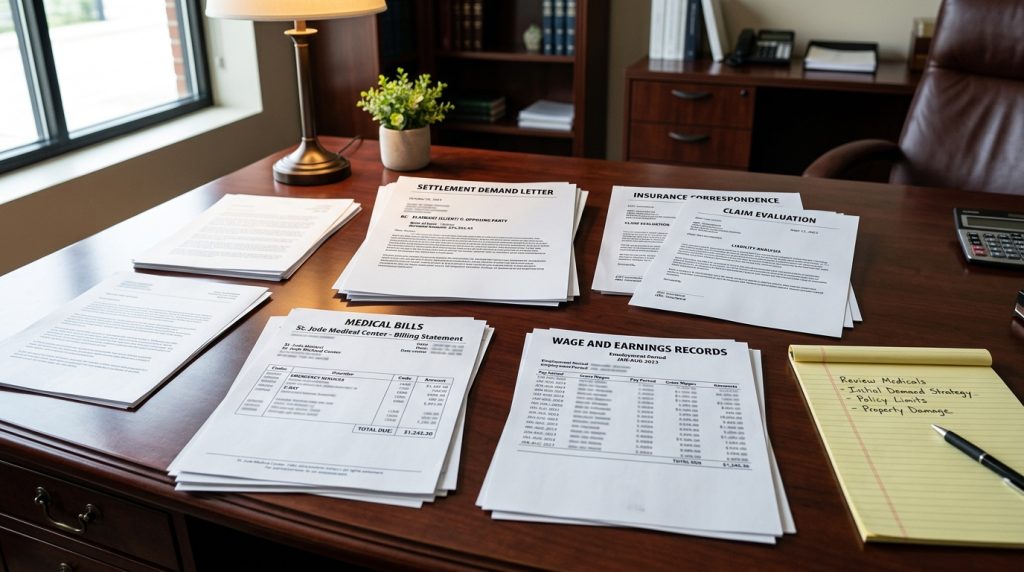
A settlement demand package usually gives the insurance company a structured explanation of liability, injuries, treatment, damages, and settlement position. Insurers may compare the demand with their own investigation.
A strong demand package may include:
- Clear accident summary
- Liability evidence
- Photos and video evidence
- Witness statements
- Medical records
- Medical bills
- Lost wage proof
- Future care information
- Pain and suffering explanation
- Comparative fault response
- Insurance coverage information
- Deadline awareness
Publicly available personal injury case results may provide general context, although every case depends on its own facts, evidence, injuries, insurance coverage, and applicable law.
Why Insurers Make Low Offers
An insurer may make a low offer when liability is disputed, medical records are incomplete, treatment gaps exist, injuries appear minor, policy limits are low, or the insurer believes a jury may assign shared fault.
Common reasons for low offers include:
- Disputed liability
- Missing photos or video
- No witness statements
- Delayed treatment
- Gaps in medical care
- Prior medical history
- Inconsistent symptoms
- Limited medical bills
- No work restriction records
- Weak pain and suffering support
- Comparative negligence arguments
- Coverage disputes
A low offer does not always reflect the full value of a claim. It may reflect the insurer’s negotiation position.
Recorded Statements and Insurance Communications
Insurance companies may ask for recorded statements. Statements can create problems when a person guesses, minimizes symptoms, gives incomplete details, or discusses fault before all facts are known.
Insurance communication records may include:
- Claim numbers
- Adjuster names
- Emails
- Letters
- Recorded statement notices
- Medical authorization requests
- Settlement offers
- Denial letters
- Reservation of rights letters
Statements should be accurate and limited to known facts. Guessing about speed, distance, timing, medical prognosis, or legal fault can create disputes later.
Deadlines That Affect Insurance Evaluation
Deadlines can affect how insurers evaluate risk. The New York Courts statute of limitations page explains that time limits vary by case type and may be counted from the date of the event in personal injury matters.
Public entity claims may involve shorter notice requirements. New York General Municipal Law § 50-e generally requires notice of claim within 90 days when notice is required for certain tort claims against public corporations.
Deadlines may matter in claims involving:
- Public sidewalks
- Municipal vehicles
- Public transportation
- Public hospitals
- Public schools
- Public buildings
- Public docks
- Government-controlled property
- State or municipal agencies
The correct deadline depends on the facts, defendant type, and claim type.
Common Mistakes That Can Hurt Insurance Evaluation
Some mistakes can make an insurance company value a claim lower.
Common mistakes include:
- Delaying medical care
- Missing follow-up appointments
- Not saving medical bills
- Not documenting lost income
- Not taking photos
- Not collecting witness information
- Giving broad recorded statements too early
- Admitting fault before facts are clear
- Posting misleading social media content
- Throwing away damaged items
- Not preserving surveillance footage
- Accepting a quick settlement before treatment is complete
- Missing insurance or legal deadlines
A strong claim usually depends on organized evidence, consistent medical care, clear wage proof, and careful documentation.
How to Strengthen a Personal Injury Claim Before Insurance Review
The most useful step is to document the claim clearly from the beginning. Insurance companies evaluate records, so a claim should be supported by records.
Helpful steps include:
- Get medical care promptly.
- Follow treatment recommendations.
- Keep all medical records and bills.
- Save photos and videos.
- Collect witness information.
- Keep accident reports.
- Save insurance letters.
- Keep proof of lost wages.
- Track out-of-pocket expenses.
- Preserve damaged items.
- Avoid guessing about fault.
- Keep a timeline of symptoms and treatment.
- Review deadlines early.
People researching local support may review a Farmingdale legal office location when looking for Long Island personal injury claim information.
FAQs About Insurance Evaluation in Personal Injury Claims
What does an insurance company look at in a personal injury claim?
An insurance company usually reviews liability, medical records, treatment consistency, injury severity, damages, lost income, comparative fault, policy limits, coverage issues, and deadline risks. The strongest claims are supported by organized records.
Why do insurance companies question medical treatment?
Insurers may question whether treatment was related to the accident, medically necessary, consistent, and reasonable. Delayed treatment, gaps in care, prior injuries, inconsistent symptoms, or missing medical records may create disputes.
Can an insurance company reduce a claim because of shared fault?
Yes. Under New York comparative negligence rules, damages may be reduced in proportion to the injured person’s assigned share of fault. Partial fault does not automatically end a claim, but it can affect value.
What records help increase claim credibility?
Helpful records include accident reports, photos, videos, witness statements, medical records, bills, work restrictions, pay stubs, tax records, insurance letters, repair records, and documentation of daily limitations.
Why is the first settlement offer often low?
A first offer may be low because the insurer disputes liability, questions treatment, sees gaps in documentation, argues shared fault, has limited records, or is testing negotiation position. The offer may not reflect the full damages picture.
Final Thoughts
Insurance companies evaluate personal injury claims by reviewing proof. Liability evidence, medical records, treatment consistency, lost income documents, injury severity, coverage information, comparative fault arguments, and deadlines all affect how a claim is valued. The strongest claims usually present a clear timeline showing how the accident happened, what injuries resulted, what treatment was required, how daily life changed, and what damages are supported by records.